Warm Lighting Decor Ideas That Make Home Feel Cozy
Warm lighting decor means layering three levels of light — ambient, task and accent — at 2700K or below, adding dimmers to every switch, choosing shades and fixtures that glow, and finishing with small candle and fairy-light glows. The 8 ideas also cover bulb temperatures, fixture picks and the warm-lighting mistakes that flatten a room.
Walk into any room that feels instantly relaxing and you'll find the same secret: warm light. Not more light — warm lighting decor done right. The difference between a flat, cold room and a cozy one is rarely the furniture. It's the glow. Here's how to layer warm light through your home the way designers do, without an electrician or a big budget.
These eight ideas work in bedrooms, living rooms, rentals, and tiny apartments alike.
1. Why Warm Light Changes Everything
Cool white light (5000K+) feels clinical — it's the light of offices and hospitals. Warm light (2700–3000K) mimics firelight and golden hour, which is why it reads as calm, safe, and inviting. One of the fastest room transformations possible is simply swapping every cool bulb in your home for warm ones. Do that first; everything else builds on it.
2. Layer Three Levels of Light
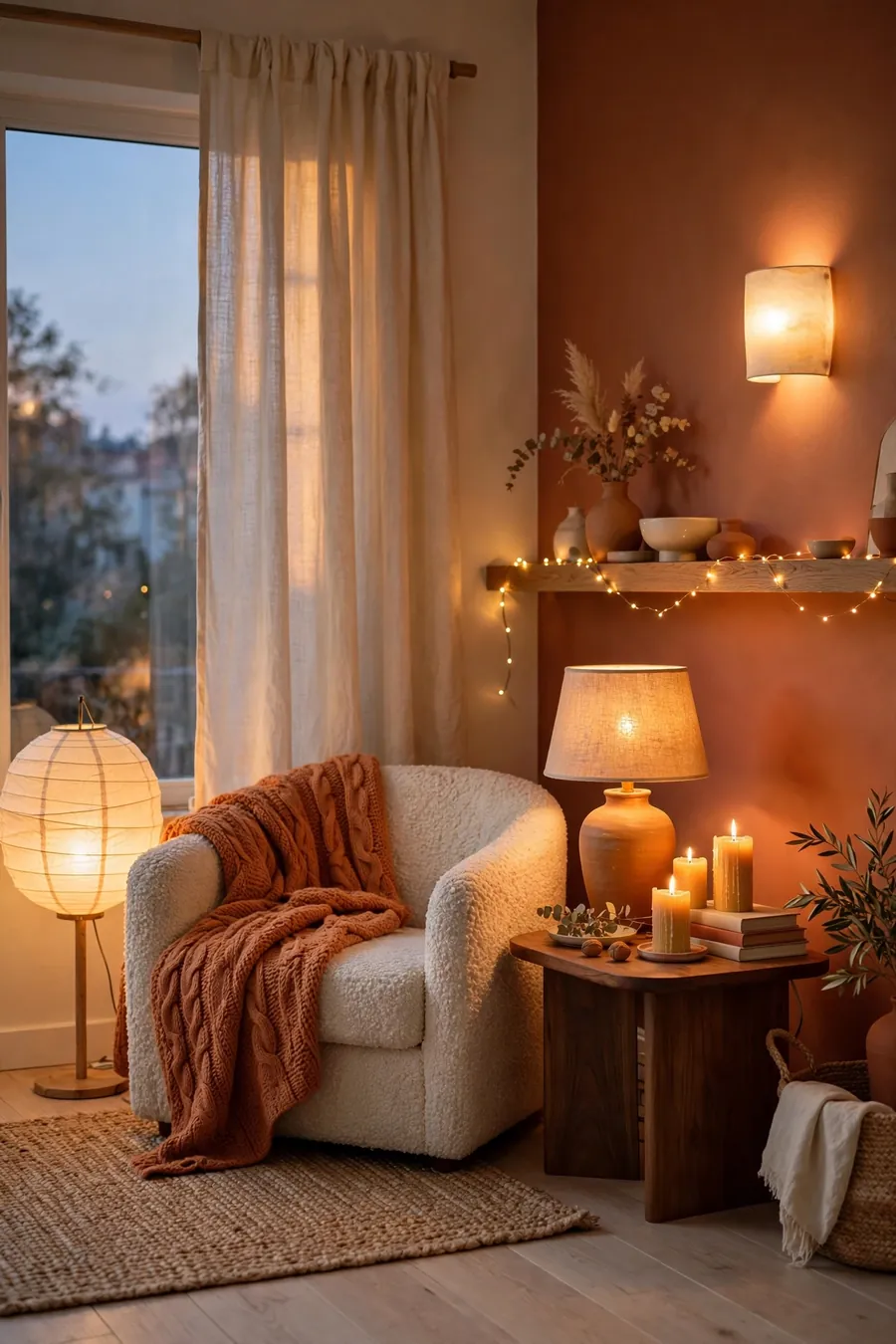
Designers never rely on a single ceiling light. The cozy formula is three layers: ambient (general glow — floor lamps, wall washers), task (focused light for reading or cooking — table lamps, under-cabinet strips), and accent (small glows that add depth — candles, fairy lights, picture lights). A room with all three feels rich and dimensional; a room with only overhead light feels flat no matter how nice the furniture is.
Start by adding just one lamp per layer. A floor lamp in the corner, a table lamp beside your chair, and a cluster of candles on the shelf — that's a complete lighting scheme.
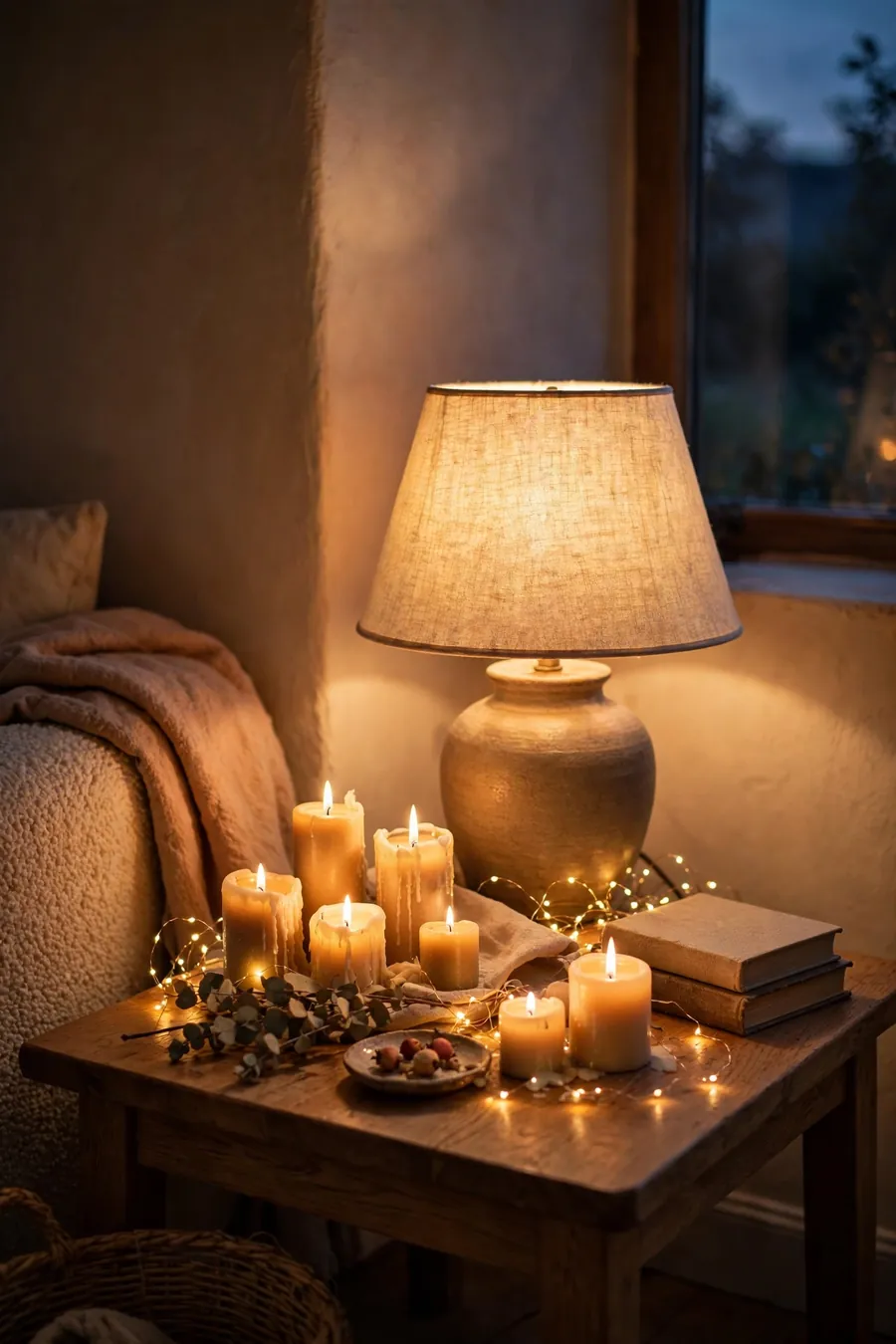
Pro tip: Place lamps at different heights — floor, table, and shelf level. Light at multiple heights is what creates that layered, designer glow.
3. Pick the Right Bulb Temperature
Check the box: you want bulbs labeled 2700K (warm white) for living areas and bedrooms. 3000K works in kitchens and bathrooms where you need a touch more clarity. Never mix temperatures in one room — a 2700K lamp next to a 5000K ceiling light looks wrong even if you can't say why. Consistency is the whole trick.
LED filament "Edison" bulbs are perfect for exposed fixtures — they throw genuinely warm light and look beautiful even when dimmed low.
4. Dimmers Are the Cheapest Upgrade
A dimmer transforms a lamp from "bright enough to read by" to "soft enough for a movie night" in one slide. Plug-in dimmers cost under $15 and need no wiring — just plug the lamp into the dimmer, the dimmer into the wall. Pair them with dimmable LED bulbs (check the box — not all LEDs dim) and every lamp in your home becomes adjustable.
5. Choose Shades and Fixtures That Glow
The fixture shapes the light. Fabric and linen shades diffuse light softly; paper lanterns and rice-paper pendants create that cloud-like glow trending everywhere in 2026. Frosted and milk-glass globes soften harsh bulbs beautifully. Avoid bare bulbs and clear glass in cozy rooms — they create glare instead of glow. Warm light flatters deep paint colors most — see these chocolate brown bedroom ideas for proof.
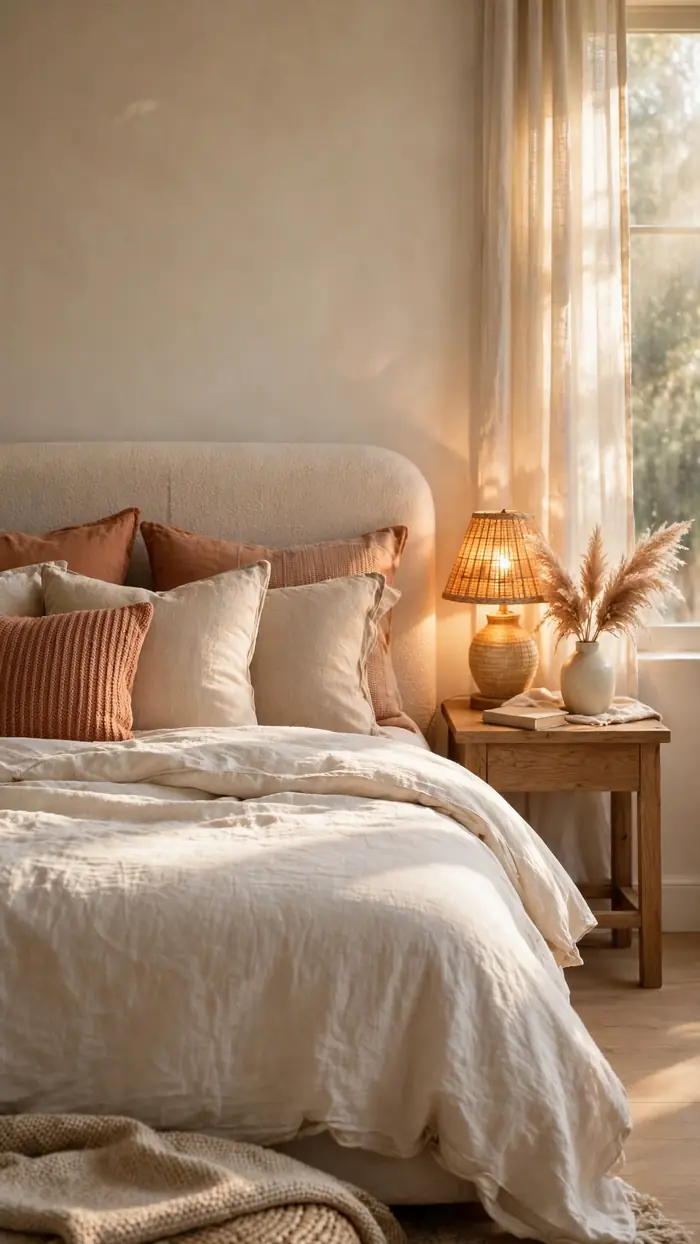
Brass, rattan, and ceramic bases add warmth even when the lamp is off, tying the fixture into your decor palette of terracotta, cream, and natural wood.
One more trend worth trying: the funky lamp — sculptural, mushroom or wavy designs that double as art even when switched off. Searches for funky lamps are breaking out right now, and a single statement lamp ($30 to $60) gives a side table instant personality. Keep the bulb warm and let the silhouette do the work.
6. Add Small Glows: Candles and Fairy Lights
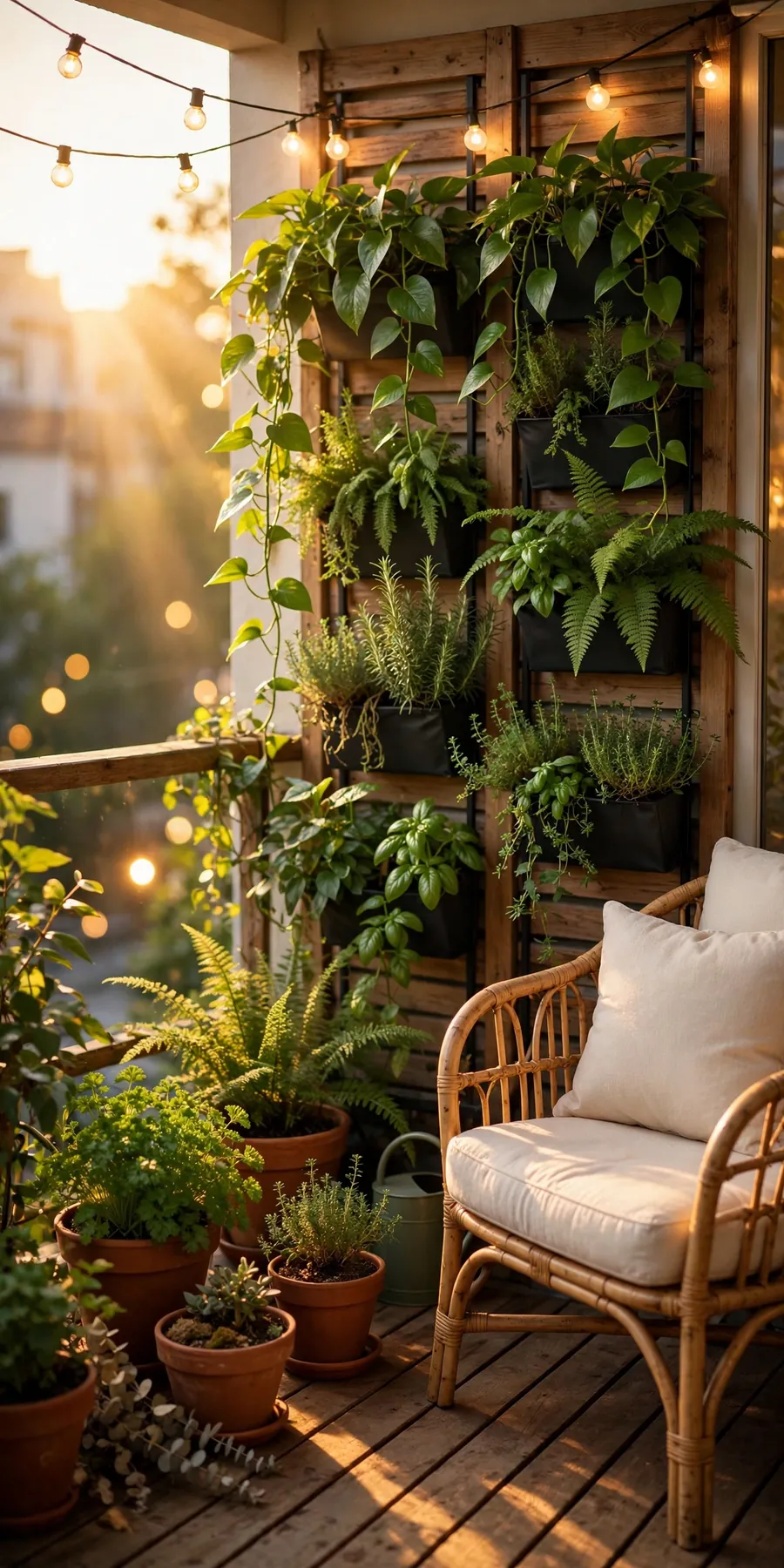
The smallest light sources make the biggest coziness difference. A few lit beeswax candles on a side table, fairy lights tucked along a bookshelf or behind a headboard, a candle warmer that doubles as fragrance — these tiny warm points tell your brain the room is a place to relax. Flameless LED candles with timers give the same effect safely in bedrooms and rentals.
Budget breakdown: warm LED bulbs 4-pack ($10) + plug-in dimmer ($14) + thrifted table lamp ($12) + linen shade ($18) + LED candles set ($12) = a fully layered warm lighting scheme for about $66.
7. Avoid These Warm Lighting Mistakes
Three mistakes undo good intentions. First, the single overhead light — if it's your only source, everything looks harsh; turn it off and use lamps instead. Second, mixing bulb temperatures in one room, which creates visual static. Third, placing all lamps at the same height, which flattens the glow. Fix these three and your lighting is 90% there.
The Bottom Line
Warm lighting decor isn't about buying more lamps — it's about warmer bulbs, layered heights, and small glows in the right places. Change the bulbs tonight, add one dimmer this weekend, and your home will feel different by Friday.
Warm Lighting Color Temperature: What to Actually Buy
Here's the part the bulb aisle never explains. For living rooms and bedrooms, buy 2700K — that's the cozy candlelight-adjacent glow everyone wants. Kitchens and bathrooms do better at 3000K, still warm but clear enough to see what you're doing. Anything labeled "daylight" (5000K+) belongs in a garage, not a living room. And check the CRI number on the box: 90+ renders colors richly, cheap 80-CRI bulbs make everything look flat and gray. A four-pack of decent 2700K LEDs costs around $12 and lasts years. Small detail, massive difference.
The 2700K Rule: Warm Lighting Bulb Cheat Sheet
Every cozy room you've ever admired follows the same spec, so here's the cheat sheet. Living room and bedroom: 2700K — the candlelight-adjacent glow. Kitchen and bathroom: 3000K — still warm, but clear enough to chop and shave by. Hallways and entries: 2700K. Home office: 3000K to 3500K for focus. And check the CRI on the box — 90+ renders colors richly while cheap 80-CRI bulbs flatten everything. Tape this inside a kitchen cabinet and you'll never buy the wrong bulb again.
Warm Lighting Decor for Small Apartments (No Hardwiring)
Renters can have the glow too — nothing here needs an electrician. Plug-in wall sconces ($25–$40 a pair) mount with two screws or heavy-duty adhesive strips and give that boutique-hotel look beside the bed. Battery LED strips behind the TV or under shelves add depth for $12. Rechargeable table lamps (no outlet needed) have gotten genuinely good lately. Pair these with the small apartment decorating ideas here and a rental can out-cozy an owned home.
Frequently Asked Questions
What Kelvin is considered warm lighting?
2700K and below reads warm and cozy; 3000K is neutral-warm. For living rooms and bedrooms, stick to 2700K — and always check the box, since daylight bulbs hit 5000K and above.
Why does my warm lighting still feel flat?
Usually a single overhead source. Warm light needs three layers — ambient, task, accent — plus dimmers. One warm bulb in the ceiling is not layering; it is just dim.
Are dimmers worth installing?
They are the cheapest lighting upgrade: a dimmer switch (or smart bulbs) lets one room shift from bright task mode to evening glow. Most install in 15 minutes.
What are the biggest warm lighting mistakes?
Mixing color temperatures in one room, relying only on overheads, choosing cool daylight bulbs by accident, and skipping dimmers. Consistency at 2700K with layers fixes all four.